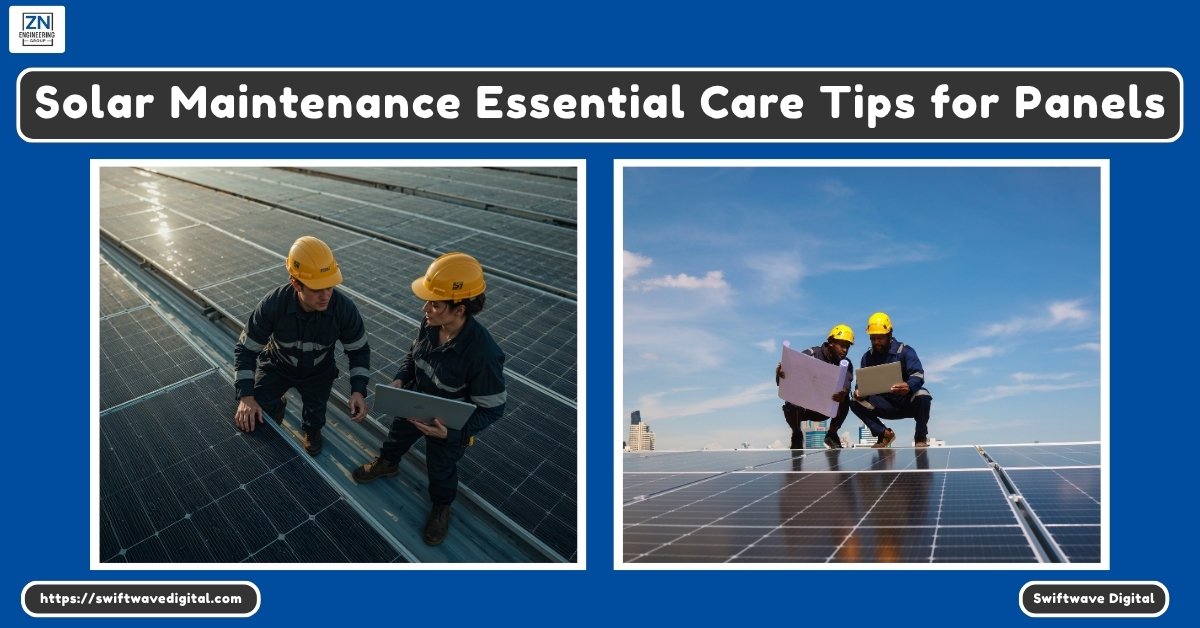
Solar Maintenance is the difference between a solar system that performs well for 25 years and one that starts losing efficiency within the first few months.
Panels may look sturdy, but they deal with dust, heat, pollution, rain, bird droppings, wiring stress, and weather changes every single day. All of this slowly impacts power output, and the loss is not small.
Studies show dirty or neglected panels can lose 7% to 25% of their production, and in dusty regions the drop can go even higher. That is wasted energy, wasted money, and reduced lifespan all avoidable with simple routine care.
Maintenance does not mean climbing the roof every week. It means understanding how the system behaves, checking performance regularly, cleaning at the right time, and inspecting the electrical side at least once a year.
These practical steps keep the system stable, safe, and efficient over the long run. If you want consistent output, lower electricity bills, and maximum return on investment, maintenance is non-negotiable.
Solar Maintenance Essential Care Tips for Panels
In this guide we will explain how proper Solar Maintenance protects performance, prevents losses, and keeps your system producing reliable power for years.
Why Solar Maintenance Matters
Solar maintenance is essential because it directly affects the long-term performance and lifespan of the system. Solar panels face dust, heat, humidity, bird droppings, and pollution every day.
These elements gradually reduce energy production, sometimes by 7% to 25% if left uncleaned. Wiring and electrical components also age over time, which can lead to efficiency drops or safety risks.
Regular maintenance ensures stable output, prevents unexpected failures, and keeps the system producing close to its rated capacity.
Without maintenance, the system declines faster, output falls, and users lose the energy savings expected from solar power.
Understanding the Maintenance Framework
A good maintenance framework includes visual checks, cleaning, performance monitoring, and yearly professional inspections. These four steps cover both the physical and electrical sides of the system.
Visual checks catch early signs of dirt buildup, shade issues, loose cables, or structural wear. Cleaning prevents long-term output loss.
Monitoring helps detect sudden production drops before they turn into bigger problems. Professional service checks the system’s electrical health and ensures all components work safely.
Following this framework keeps the system predictable and efficient.
Routine Visual Checks
Routine checks should be done monthly or whenever energy production drops unexpectedly. The purpose is to identify obvious issues before they escalate.
Look for dust layers, bird droppings, leaves, cracked glass, loose wiring, rust on mounting structures, or anything unusual around the panels.
Also check if new shade has appeared due to growing trees or nearby construction. These quick checks take minutes but prevent long-term performance loss.
If something looks abnormal, note it and verify again during the next check. Early detection avoids costly repairs.
Cleaning the Panels
Cleaning is one of the most effective ways to maintain panel efficiency. Dust, pollution, pollen, and bird droppings block sunlight and reduce energy output.
Cleaning frequency depends on the environment, but most locations benefit from cleaning every 1–3 months. The safest cleaning approach is using soft water, a microfiber mop, and a gentle rinse.
Avoid strong chemicals and pressure washers because they can damage the glass or seals. Clean panels during early morning or late evening to avoid thermal stress.
Regular cleaning keeps production consistent and reduces long-term degradation.
Monitoring System Performance
Monitoring is essential to catch drops in production before they grow into system failures. Most inverters or monitoring apps provide daily and monthly data.
Compare current output to past months to identify unusual drops. A sudden decrease often signals dirt buildup, shading, wiring issues, or inverter problems.
Monitoring also helps verify if your cleaning schedule is effective.
Daily checks take less than a minute and help maintain stable system performance over time. If output falls sharply and stays low, schedule a technical inspection.
Professional Annual Service
Annual professional service keeps the system electrically safe and efficient. Professionals check wiring, grounding, voltage levels, inverter performance, mounting bolts, seals, and connectors.
They also identify hot spots or microcracks that are not visible to the eye. This yearly inspection reduces the risk of electrical faults, improves energy output, and extends the life of the system.
Even if the panels look clean, internal components age and require attention. One yearly visit is usually enough to keep everything working smoothly.
Common Maintenance Issues and Their Solutions
Common issues include dust buildup, bird nests, loose cables, cracks, shading changes, and inverter faults. Dust is solved with regular cleaning.
Bird nests require mesh or barriers to block access under the panels. Loose cables need tightening during inspections. Cracked panels should be replaced immediately, because they reduce output and may cause electrical hazards.
Shading problems are fixed by trimming branches or adjusting panel positions. Inverter faults require checking ventilation, wiring, and system settings. Addressing these issues early prevents large drops in performance.
How Environment Impacts Maintenance Needs
Different environments influence how often a system needs maintenance. Dusty or dry regions require frequent cleaning because dust settles quickly.
Coastal areas need more attention to corrosion and salt buildup. Urban locations face pollution and smog residue, which form sticky layers on panels.
Industrial areas may experience chemical particles that reduce clarity. Rainy regions may require less cleaning but need more checks for moisture and wiring conditions.
Understanding your environment helps you plan the right maintenance schedule and avoid efficiency loss.
How to Know When Your System Needs Cleaning
You can identify cleaning needs through visual inspection and performance data. If a visible layer of dust, dirt, or bird droppings is present, cleaning is necessary.
If energy production drops by 10% or more compared to previous months under similar weather conditions, dirt is often the cause. A dull or hazy appearance on the glass also indicates that light cannot pass through effectively.
If one string of panels produces less than the others, dirt might be affecting specific modules. Cleaning at the right time protects output.
Tools You Need for Solar Maintenance at Home
Basic tools are enough for general upkeep. These include a soft mop, microfiber cloth, bucket, mild soap (optional), soft water, and an extension pole for higher installations.
Gloves and safety shoes are helpful if accessing rooftops. Do not use abrasive brushes or pressure washers.
Homeowners do not need electrical tools because electrical checks should be done by professionals. Keeping these simple cleaning tools ready makes maintenance easier and more consistent.
Inverter Maintenance Tips
The inverter handles the power conversion for the entire system, so it needs attention. Keep the inverter clean and free from dust. Ensure it has proper ventilation and is not exposed to direct sunlight or moisture.
Check lights or notifications weekly for warning signals. Review monthly production data and compare it with past months.
Make sure the inverter is mounted securely and the surrounding area is free from clutter. Inverters typically last 7–12 years, and proper care extends their lifespan.
Battery Storage Maintenance (If Installed)
If your system includes a battery, it needs regular checks as well. Keep the battery area cool, dry, and well-ventilated. Avoid exposing it to heat because high temperatures reduce battery life.
Monitor state-of-charge levels and avoid deep discharges unless required by the system’s design. Check terminals for dust and ensure connections remain tight.
Review the battery management system (BMS) for warnings. Regular battery care keeps storage capacity stable and reduces replacement cost.
Cost of Solar Maintenance
Maintenance costs vary but remain affordable. Cleaning typically costs a small amount if done professionally and almost nothing if done at home.
Annual inspections cost more but protect the system from significant failures. Inverter replacements may be required after several years, which is a planned expense.
Overall, maintenance costs are minor compared to the long-term financial benefits of a well-performing solar system. Spending a little on maintenance prevents expensive repairs later.
How Maintenance Protects ROI
Regular maintenance protects your return on investment by keeping production high and consistent. Clean panels produce more energy, reducing electricity bills.
Healthy wiring and inverter performance prevent downtime. Preventing damage reduces repair and replacement costs over the system’s lifetime.
A well-maintained system performs closer to its original efficiency for many years, extending its useful life. Good maintenance ensures that the system pays back its cost more quickly and continues to generate savings.
Conclusion
Solar maintenance is not a complicated process, but it is a necessary one if you want consistent energy output and long-term reliability from your system.
Panels face dust, weather changes, pollution, bird droppings, and wiring stress every single day, and these factors slowly reduce their efficiency if they are ignored.
Regular cleaning, simple visual checks, proper monitoring, and one professional inspection each year are enough to keep most systems performing close to their rated capacity.
These steps prevent energy loss, reduce repair costs, and extend the overall lifespan of the system. A well-maintained setup delivers stronger returns, produces more units over time, and avoids unexpected failures.
Whether your system is new or a few years old, maintenance protects your investment and ensures steady, predictable power generation.
With a consistent routine, your solar system will continue to deliver reliable performance for decades, keeping your electricity bills low and your energy output stable.